For decades, the formula for luxury yachting seemed simple.
- Build a bigger yacht.
- Add better yacht toys.
- Cruise beautiful destinations and create unforgettable superyacht charter experiences.
And behind it all, crew operated quietly in the background, delivering flawless service while remaining largely invisible to the guest experience itself.
But something subtle has been changing across the industry. Yacht crew are no longer viewed purely as operational staff. They are becoming part of the luxury experience. And increasingly, the most successful charter programs understand that guest satisfaction doesn’t begin with amenities or itineraries. It begins with the people delivering them.
The most interesting shift isn’t that yachts are investing more in crew wellbeing. It’s why they’re doing it. Increasingly, the industry is recognising that crew aren’t simply delivering the luxury experience anymore. They are helping create it. And as that realisation spreads, everything from recruitment and retention to marina design and charter operations is beginning to evolve around it.
Table of Contents
The Superyacht Industry’s Quiet Shift Happening in Plain Sight

Luxury hospitality has always understood one truth: atmosphere matters.
On a yacht, atmosphere isn’t created by interiors, tenders or water toys alone. It’s shaped by energy: the tone onboard, the interactions, the rhythm of service, and the personalities guests engage with every day.
Guests spend more waking hours with crew than almost anyone else during a charter. They remember the deckhand who patiently and professionally taught them how to wakeboard. The stewardess who remembered their favourite cocktail, or the way they liked their coffee and the chef who adapted a menu after a casual conversation at breakfast.
The experience becomes human.
And the industry is starting to recognise that exceptional crew aren’t just delivering luxury, they are part of it. In many ways, the most memorable part of a charter is no longer the yacht itself, but the people who bring it to life.
The End of the “Always On” Yacht Crew Era

For years, yachting quietly normalised an “always-on” culture. Long seasons. Minimal downtime. Endless availability. But as conversations around burnout, mental health and career longevity become more open, attitudes are shifting.
Experienced crew are increasingly prioritising well-run programs, supportive leadership and a healthy onboard culture over salary alone. Retention is becoming just as important as recruitment.
The reason is simple: exhausted crew cannot consistently deliver exceptional experiences. Charter programs are beginning to realise that investing in crew wellbeing isn’t a perk. It’s an operational strategy. A rested, motivated team creates smoother service, better communication and a more relaxed onboard atmosphere, all things guests notice immediately, even if they can’t quite explain why.
Why Yacht Crew Retention Has Become a Luxury Strategy
Forward-thinking yachts are also starting to realise that retaining exceptional crew has become just as important as recruiting them. And increasingly, the best programs aren’t relying on salary alone to do it.
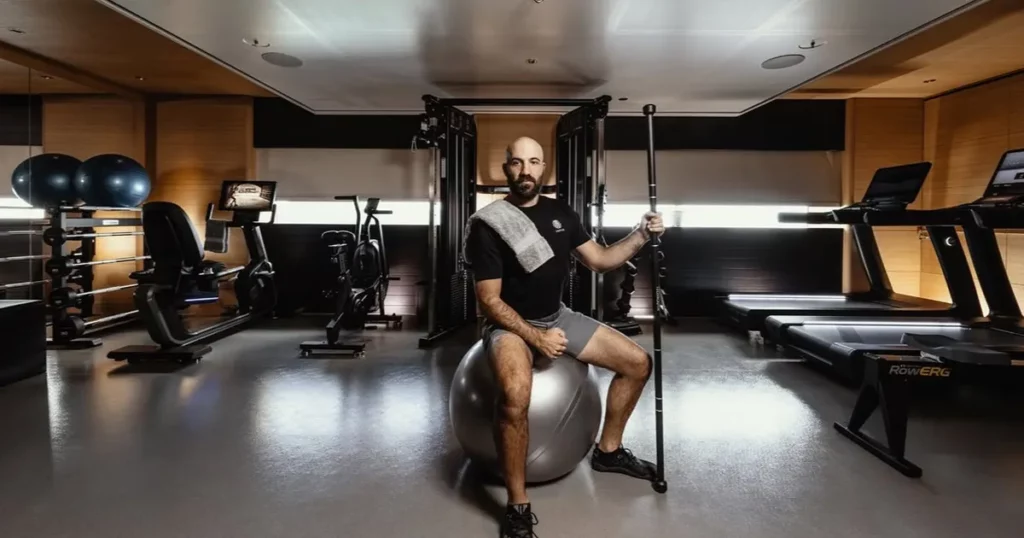
Across the industry, more yachts are investing in things that would have been considered secondary a decade ago: stronger onboard culture, better rotational structures, improved crew accommodation, gym and wellness access, mental health support, healthier scheduling and genuine downtime between seasons and even shifts.
Some programs are even becoming more intentional about leadership training onboard, recognising that captains and heads of department play a huge role in crew longevity and overall morale.
The reason behind this shift is practical as much as cultural. High turnover impacts consistency. It affects chemistry, service flow and guest experience. A charter with a cohesive, energised crew simply feels different to one where burnout or tension sits beneath the surface.
Owners and management companies are beginning to understand that the atmosphere onboard cannot be separated from the well-being of the people creating it. As a result, strong crew culture is quietly becoming a competitive advantage.
Experienced crew talk. Reputation travels fast within the industry. Yachts known for good leadership, healthy programs and quality of life increasingly attract stronger candidates, and keep them longer. In an industry built around delivering exceptional experiences, retaining exceptional people is becoming one of the most valuable investments a yacht can make.
Why Superyacht Crew Experience Now Shapes Guest Experience

Traditionally, crew were viewed primarily as an operational necessity. Essential, highly skilled, but largely measured by efficiency and execution. Today, that perception is evolving. The modern charter guest wants more than luxury. They want access. Insight. Authenticity. The crew provide exactly that. Today’s crew are travel experts, local insiders and cultural translators. They know which beach clubs are actually worth visiting, which restaurants deliver beyond reputation, and which hidden anchorages still feel undiscovered.
The best charter programs increasingly understand that guests don’t separate service from experience. The crew member recommending a hidden restaurant, organising a last-minute beach picnic or creating an effortless atmosphere onboard isn’t simply performing a task. They’re actively shaping the charter itself.
Many guests now trust crew recommendations more than traditional luxury travel guides, because crew live these destinations repeatedly, refining knowledge through real experience rather than curated marketing.
Crew influence far more than service standards. They influence the pace of a charter, the activities guests choose, the destinations they revisit and often the stories they take home afterwards. In many ways, they are becoming the tastemakers of modern yachting. In many cases, the memories guests take home aren’t the yacht’s specifications or yacht toy inventory. They’re moments created through people.
Superyacht Marinas Are Starting to Notice

Perhaps the clearest sign of this industry evolution is happening ashore. Marinas, yacht clubs, and destinations are no longer competing solely for yachts. They are now also competing for crew.
Across the Mediterranean and Caribbean, facilities are beginning to resemble private members’ clubs or boutique lifestyle resorts rather than traditional marina infrastructure.
- Crew lounges.
- Wellness and recovery spaces.
- Fitness facilities and social hubs.
- Paddle courts, golf simulators and dedicated community areas.
A strong example is Safe Harbour St. Kitts, which recently took an unusually data-driven approach to crew experience. Before developing the space, operators surveyed crew extensively to understand what they actually wanted from a modern marina environment. The findings went beyond traditional marina facilities. Crew consistently prioritised community, wellness and lifestyle amenities, including fitness spaces, social areas and even golf-focused experiences.
Rather than guessing, Safe Harbor intentionally designed around those preferences. It’s a small example of a much larger industry trend. Some marinas are no longer thinking solely as service providers. They’re beginning to think more like private clubs, boutique resorts and luxury hospitality brands, creating destinations that crew actively want to spend time in rather than simply pass through.
This represents a larger shift. Destinations are recognising that happy crew influence yacht decisions, charter satisfaction and long-term loyalty. The marina experience is no longer just logistical. It’s cultural.
The Competitive Advantage Nobody Talks About
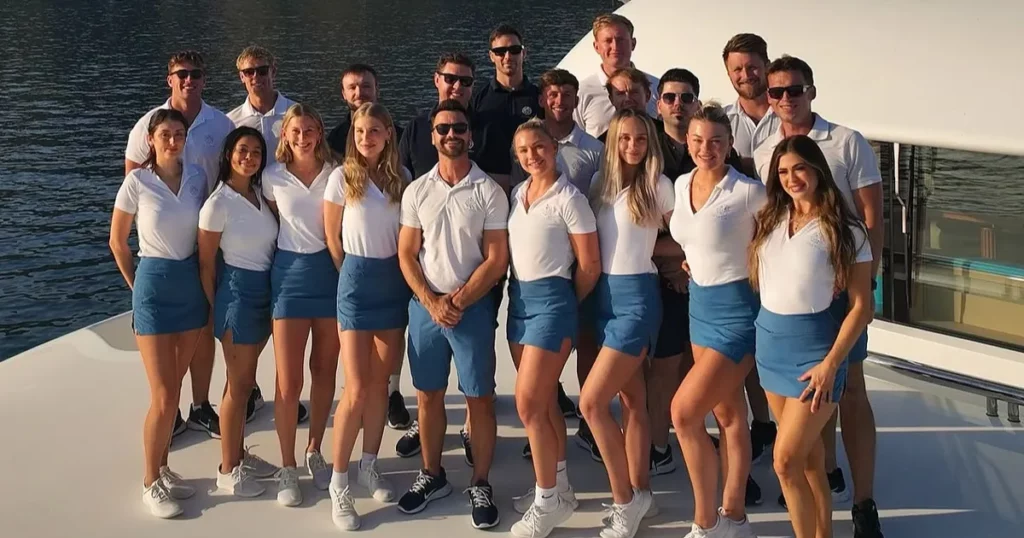
Historically, yachts competed through size, design and toy lists. Increasingly, they compete through crew culture. Captains and management companies are discovering that attracting and retaining great crew directly impacts charter reputation, repeat bookings and owner satisfaction.
Guests may not see recruitment processes or crew rotations, but they feel the results immediately. A cohesive team creates:
- Smoother service flow
- Stronger guest engagement
- Better problem-solving
- A relaxed, confident onboard atmosphere
The difference between a good charter and an unforgettable one often comes down to team energy rather than hardware. And that reality is reshaping how programs think about investment.
Superyacht Crew as the New Luxury Influencers

A few years ago, most yacht crew operated almost entirely behind the scenes. Now, many are building audiences larger than some luxury travel brands. Across TikTok and Instagram, crew creators are pulling millions of views by documenting life onboard, from Mediterranean crossings and hidden anchorages to crew routines, guest preparation, destination guides and behind-the-scenes luxury hospitality.
And in the process, they’re becoming a surprisingly influential force within luxury travel culture itself. Accounts like @emerywallerich have amassed huge audiences by blending yacht life, travel recommendations and insider industry knowledge.
Creators like @superyachtgirl have built highly engaged followings simply by showing the reality of life onboard, while simultaneously influencing perceptions around destinations, hospitality standards and luxury experiences.
What makes this shift interesting is that crew influence feels authentic in a way traditional luxury marketing often doesn’t. Guests know crew actually live these itineraries repeatedly. They know which restaurants consistently deliver. Which beach clubs are worth the reservation battle. Which marinas have the best atmosphere. Which destinations are becoming overcrowded, and which ones still feel exclusive before the wider luxury market catches on.
Crew experience destinations at an unusually high frequency and across multiple guest demographics, which gives them a level of real-world insight few travel influencers can replicate. In many ways, yacht crew have become a new category of luxury tastemaker: part hospitality professional, part travel curator, part lifestyle influencer. And the industry is starting to feel the ripple effects.
Destinations gaining traction within charter circles increasingly spread through crew networks first. Restaurants, wellness concepts and beach clubs can go from relatively unknown to highly in-demand after repeated exposure through charter itineraries and social content. The influence crew hold now extends far beyond onboard operations. They are increasingly shaping what modern luxury travel looks like, both online and in real life.
The Future of the Superyacht Charter Experience

In the midst of another busy Mediterranean season, the industry appears to be reaching an inflexion point. Yachts will continue to evolve technologically. Destinations will continue to innovate. Amenities will continue to grow. But the defining luxury differentiator may no longer be what a yacht has. It may be how a yacht feels. And that feeling comes from the crew.
The industry is slowly aligning around a simple but powerful realisation: When yacht crew thrive, charters thrive. Crew are no longer operating behind the luxury experience. They are becoming central to it, shaping its atmosphere, authenticity and emotional impact in ways that no design feature or technology ever could.
For years, luxury yachting has focused on elevating the guest experience. What we’re beginning to see now is something different. The superyacht industry is starting to realise that the guest experience and the crew experience are not separate things. They are increasingly the same thing.
Because in an industry built on service, atmosphere and human connection, the people delivering the experience have become part of the experience itself. And that may prove to be one of the most important shifts shaping the future of charter.